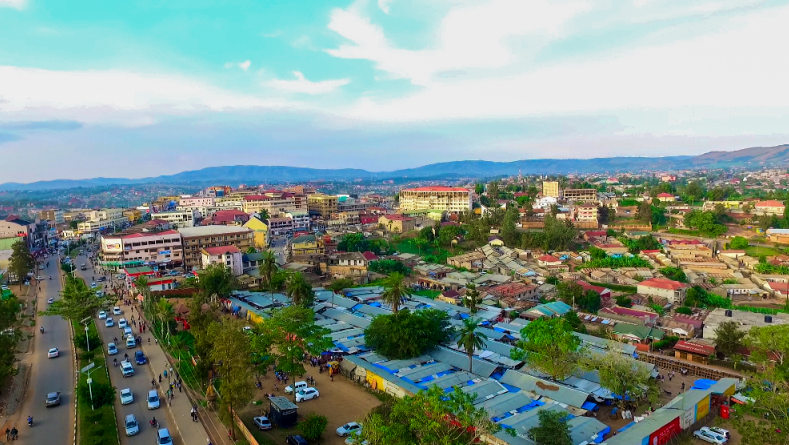
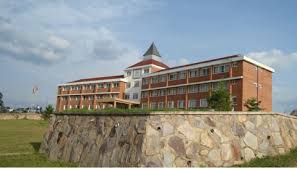
Ankole ( Nkore before the colonial era) was a traditional Bantu Kingdom in Uganda and lasted from the 15th century until 1967. The Kingdom was located in south-western Uganda, east of Lake Edward.
Organisation
Nkore society evolved into a system of ranked statuses, where even among the cattle-owning elite, patron-client ties were important in maintaining social order. Men gave cattle to the king ( Mugabe) to demonstrate their loyalty and to mark life-cycle changes or victories in cattle raiding. This loyalty was often tested by the King`s demands for cattle or for military service. In return for homage and military service, a man received protection from the king, bothfrom external enemies and from factional disputes with other cattle owners.
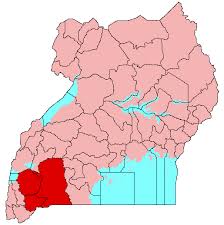
The Ankole Kingdom is located in the South-Western region of Uganda bordering Rwanda and the Democratic Republic of Congo as shown on the map of Uganda above. Ankole is home to some of the most favourable grazing lands in Africa.
Nkole people
Nkole people are a Bantu ethnic group native to Uganda. They primarily inhabit Ankole. They are closely related to other Bantu peoples of the region, namely the Nyoro, Kiga, Tooro and Hema peoples. Their population is 4,187,445 (9.8% of Uganda). People from Ankole are referred to as “Banyankole”.
The Banyankole speak Orunyankole, a Great Lakes Bantu Language. There were an estimated 12.3 million native speakers in 2014.
Counties of Nkore (Amashaza)
Nkore Kingdom was divided into ten counties. These are now divided into various political constituencies. But the original ten countries of Nkole include:
- Kashari
- Isingiro
- Rwampara
- Nyabushozi
- Ibanda
- Sheema
- Kajara
- Bunyaruguru
- Igara Bushenyi
- Buhweju
| Kingdom of Ankole | Obugabe Bw`Ankole (Nyankole) |
Anthem: | Ensi Nkore, Ensi Nkore’ |
| Status: | State from 15th Century- 1901 Non sovereign monarchy from 1901-1967 |